HOUSING POLICY AND IMPLEMENTATION
LWC is dedicated to working with communities to comply with State Housing Law and achieve consistency across jurisdictional planning documents. Our experience includes over 30 Housing Element Updates found in substantial compliance by the Department of Housing and Community Development (HCD), as well as Inclusionary Housing Ordinances, Fee Modification Studies, Feasibility Analyses, Objective Design Standards, Rezoning Programs, and ADU/SB 9 Implementation.
LWC’s approach emphasizes collaboration with city staff and the community to deliver strategies that are sensitive to community context and contribute to the long-term vision of affordable, attractive housing across all income levels.
6th Cycle Housing Element Update
ADU Guidebook | Density Bonus Program
Inclusionary Housing Ordinance | Tenant Protection & Education
San Gabriel, CA | 2021 — 2022
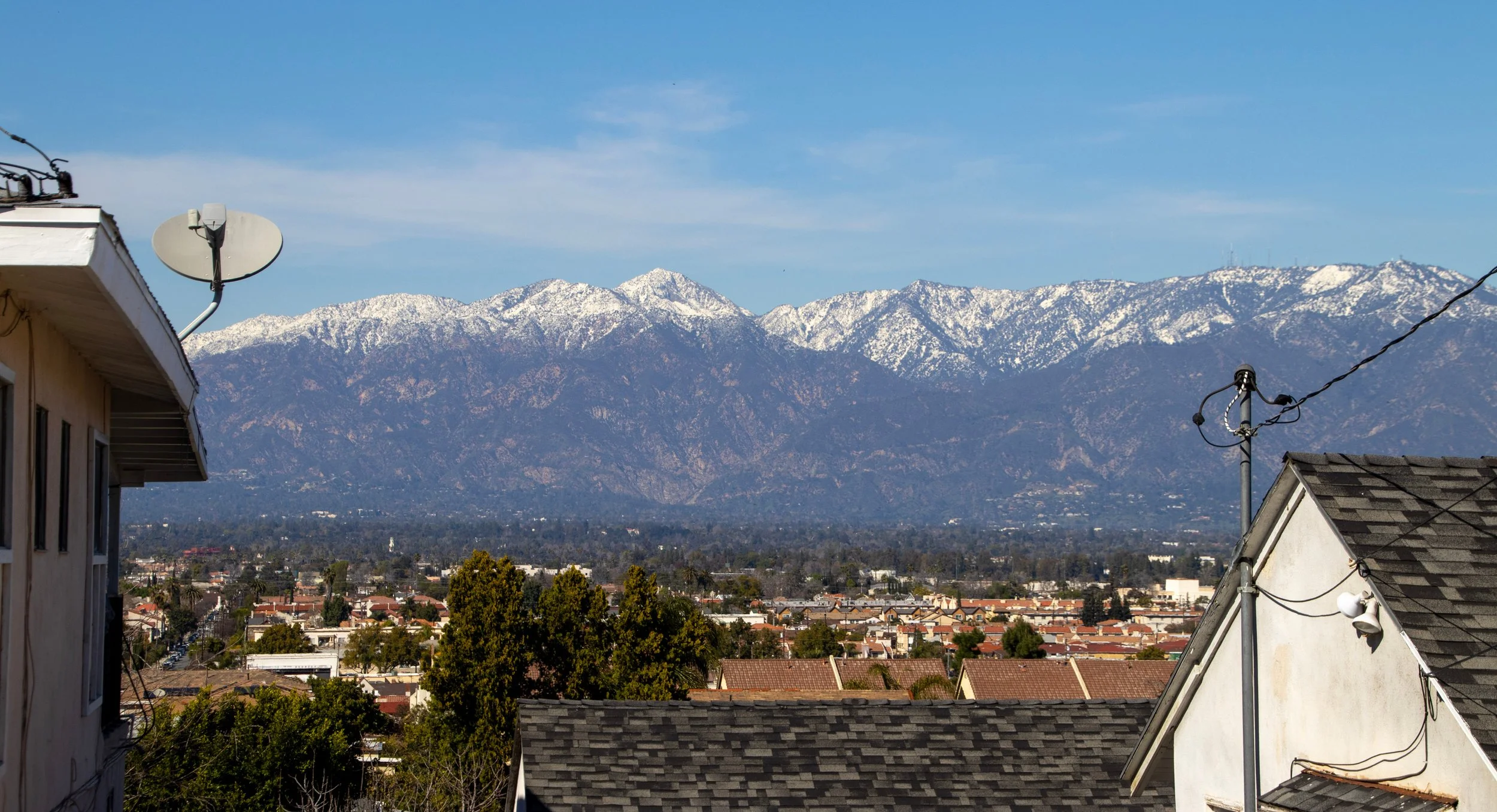
The City of San Gabriel hired LWC to lead its 6th Cycle Housing Element Update and develop critical implementation programs to support the City’s housing goals.
In Phase 1, LWC prepared the Housing Element as prescribed by HCD, including compliance with newly-established State guidelines for affirmatively furthering fair housing (AFFH). In Phase 2, LWC focused on analyzing and updating the City’s Density Bonus program and drafting an Inclusionary Housing ordinance. The density bonus and inclusionary housing analyses were aimed at supporting more effective and feasible standards that facilitate the production of market rate and below market rate housing. LWC also prepared an illustrated and user-friendly ADU Guidebook based on the City’s newly-adopted ADU ordinance. The ADU Guidebook will be promoted by the City to facilitate and accelerate the production of ADUs.
The City’s 6th Cycle Housing Element was adopted by the City Council and received a letter of substantial compliance from HCD in February 2022 — one of only a handful of jurisdictions in Southern California to do so before the State’s deadline.
Objective Design Standards
Mixed-Use & Multifamily Housing
Feasibility Testing | Prototype Plans
Piedmont, CA | 2020 — 2023
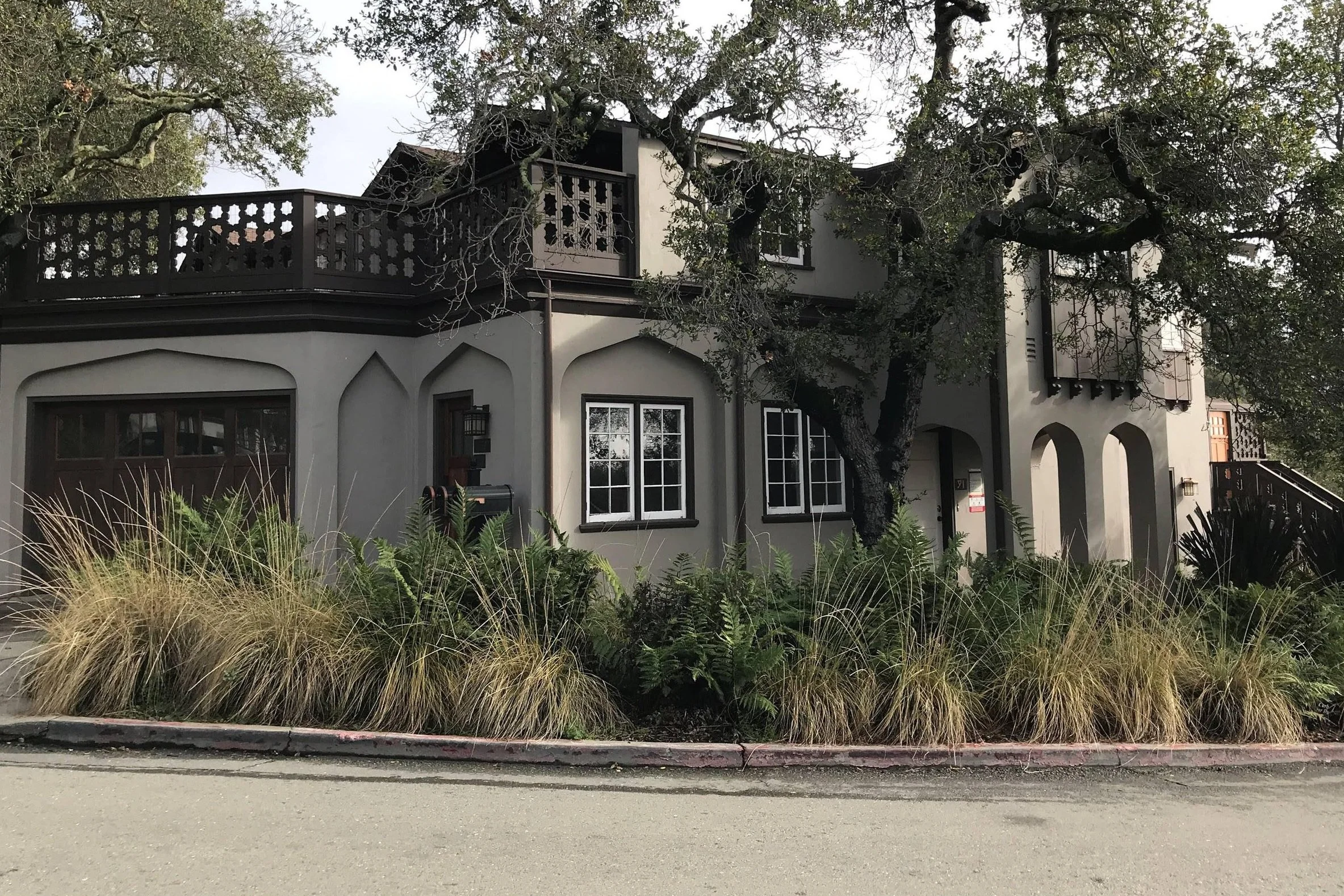
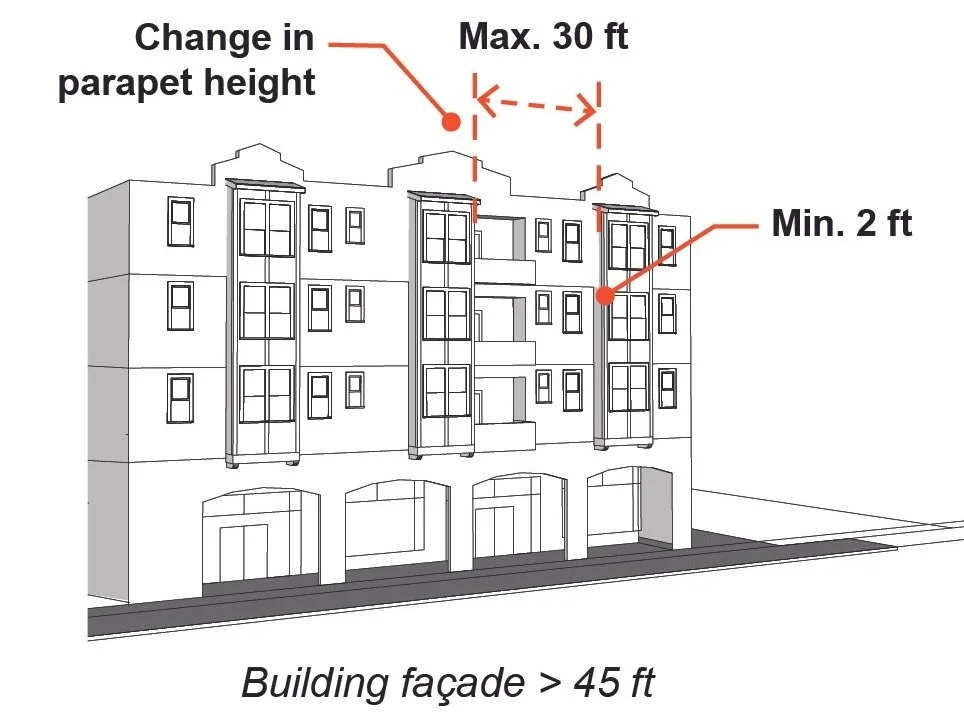
In 2020, the City of Piedmont hired LWC to create Objective Design Standards (ODS) for mixed-use and multifamily development, conduct site and feasibility testing, and develop strategies to aid the City in affirmatively furthering fair housing consistent with AB 686. The project was funded by the SB2 program and aimed at accelerating housing production through streamlining the development review process while assuring the community’s support for the design, quality, and placement of new units.
LWC worked closely with City staff and the community to assess the City’s existing subjective guidelines, analyze housing opportunity sites, test the existing development standards on two development sites, and to ensure the community’s design preferences would be reflected in the new development standards. LWC also conducted a financial feasibility analysis for the two development sites. Using 3D models and proforma analysis, LWC assured the ODS would be financially feasible and would lead to outcomes supported by the community.
The Objective Design Standards were adopted by the City Council in September 2023.
ADU and SB 9 Local Ordinances
Accessory Dwelling Units | Lot Splits
Community-Supported Design Standards
Long Beach, CA | 2023 — 2024
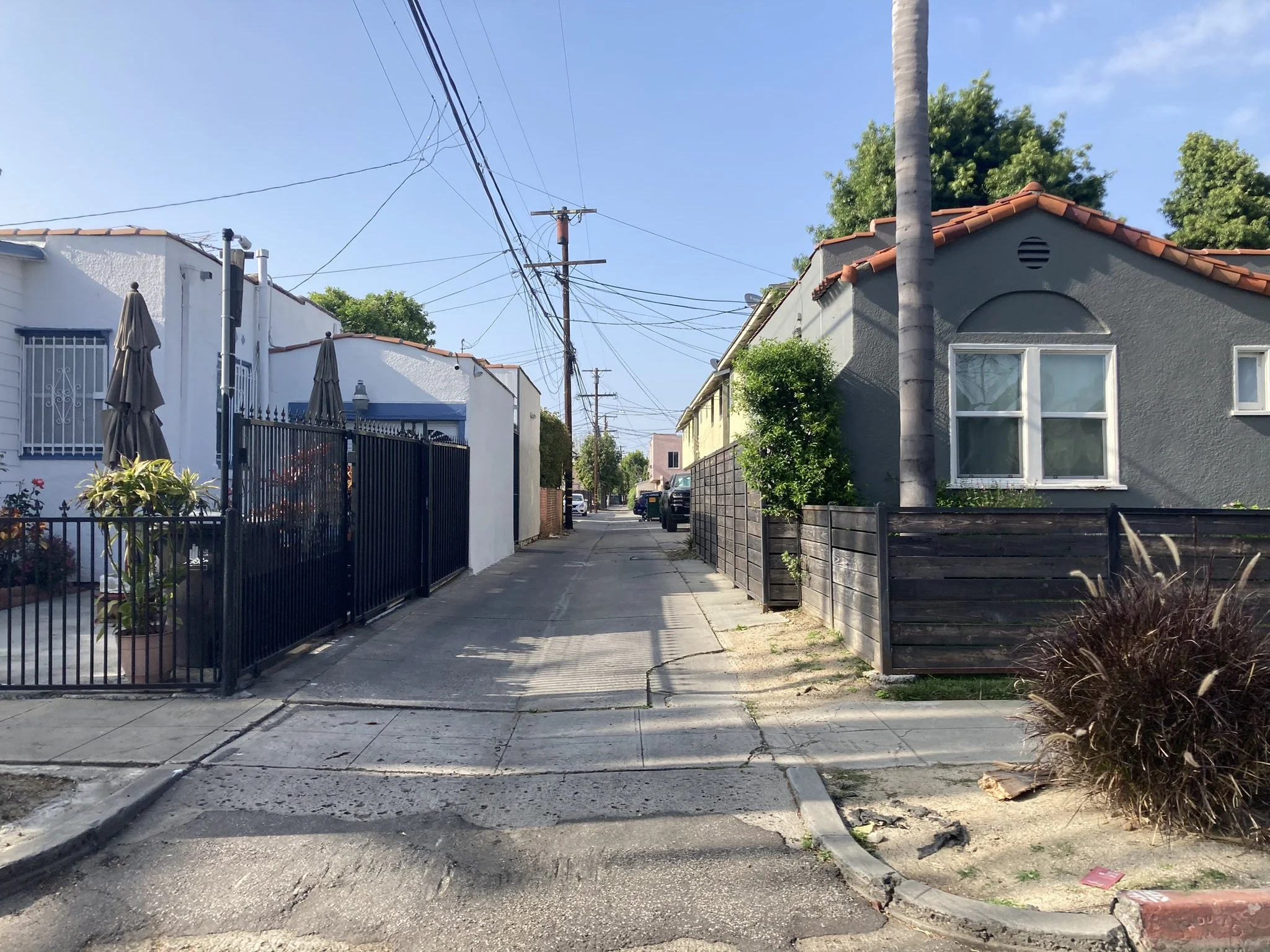
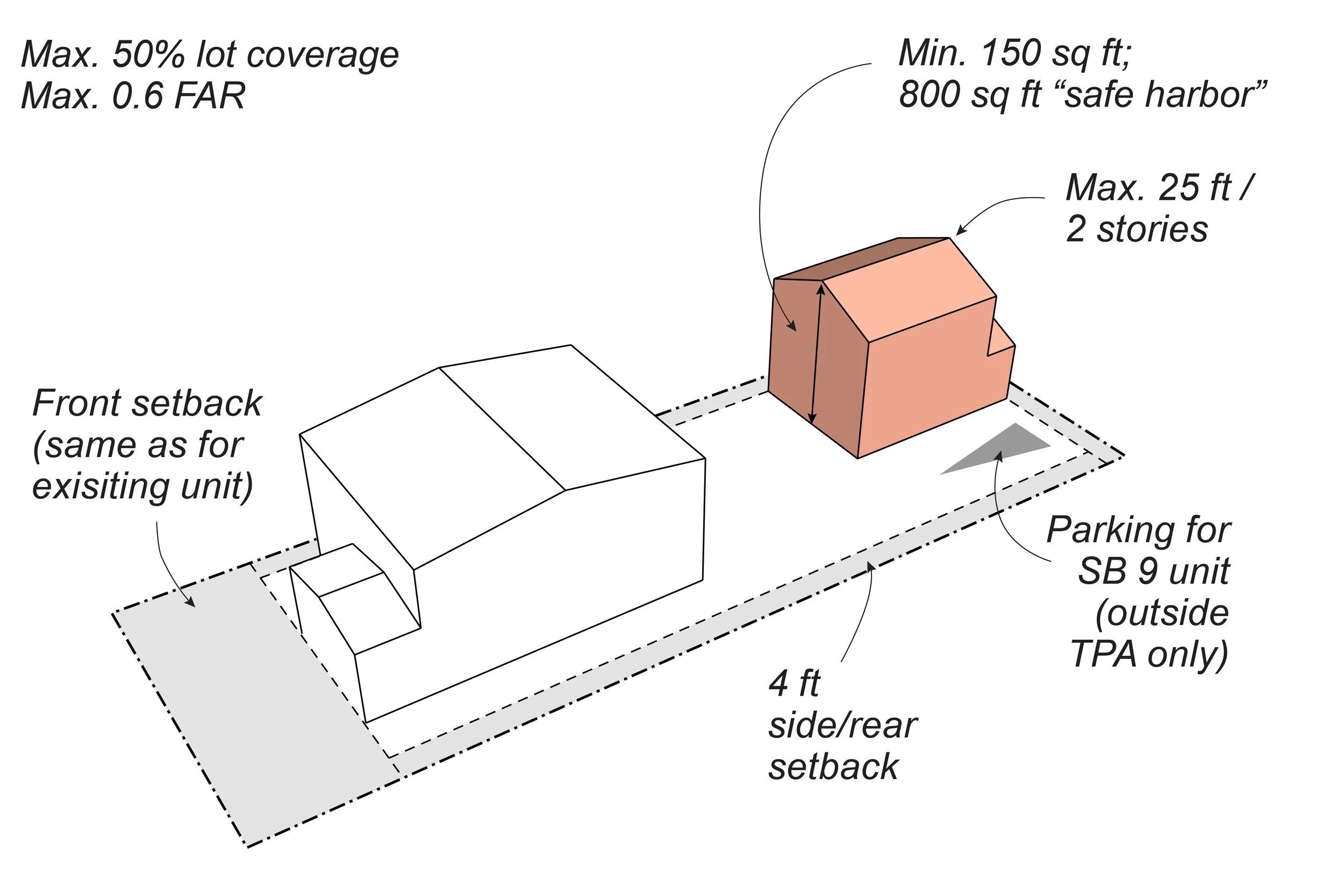
LWC was hired by the City of Long Beach to lead a consultant team in updating the local ADU ordinance and drafting a new local Senate Bill (SB) 9 ordinance. The ordinances will promote pro-housing policies while maintaining community design standards and compliance with State laws.
Community outreach was an integral part of developing the ordinances, and LWC engaged the community directly to identify design priorities and ensure they were reflected. LWC facilitated eight focus group meetings, hosted a Community Open House, and created and released an online community feedback form. LWC is also facilitating several study sessions with City decision-makers to discuss community feedback, explore options for standards, and refine recommendations.
In 2024, LWC will lead the team in drafting the local ordinances to meet the City’s and community’s needs as identified in the General Plan, the recent Housing Element Update, the Subdivision Ordinance, and the Local Coastal Program while also reflecting the whole community’s design priorities and preferences. The final Ordinances will be clear, concise, illustrated, and easy to use, and will ensure compliance with State law including recent ADU and SB 9 legislation.
Inclusionary Housing Ordinance Feasibility Study
Proforma Modeling| Market-Driven Analysis
Affordable housing Incentivies
Orinda, CA | 2024 - 2026
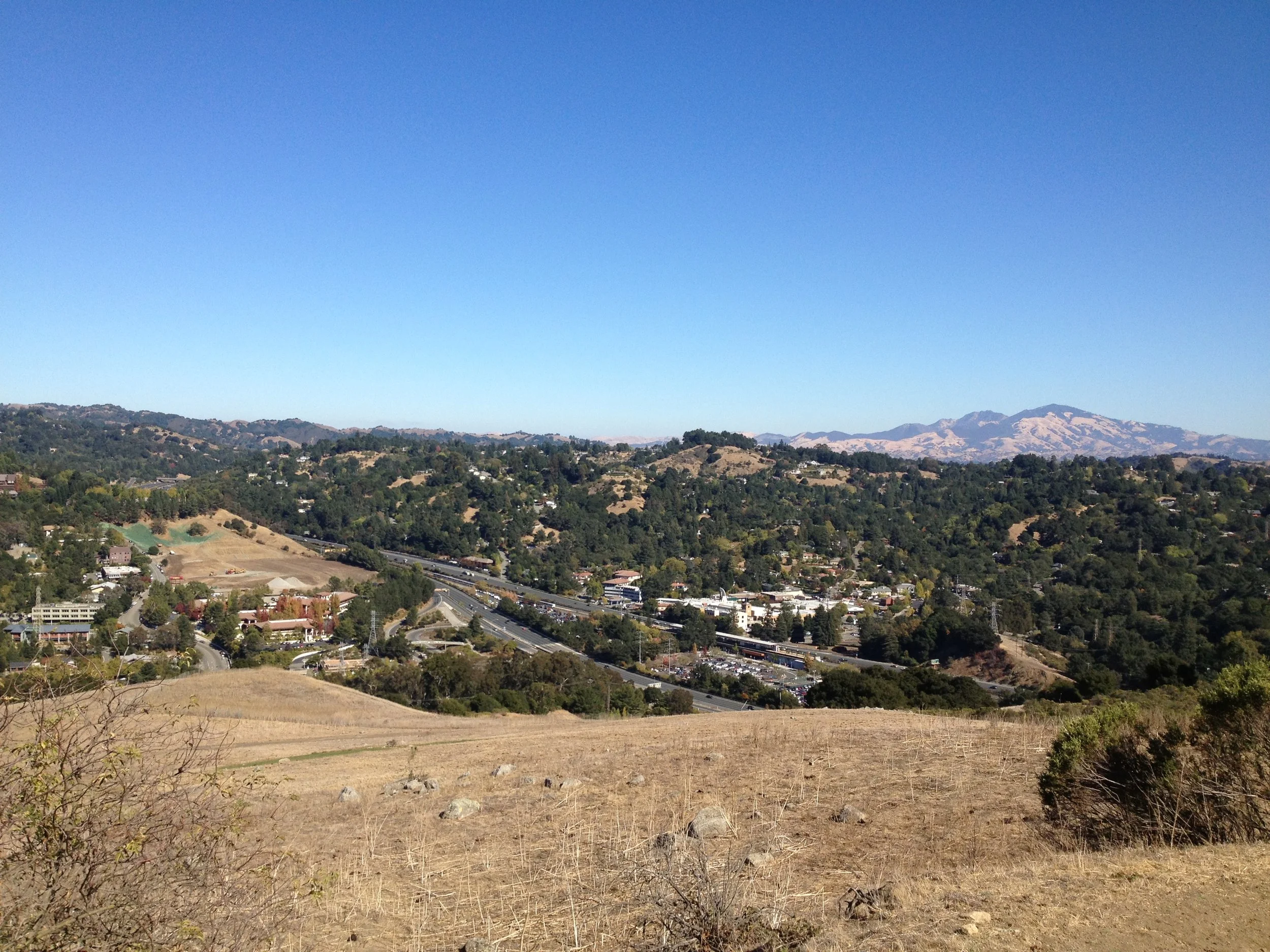
The City of Orinda hired LWC to assess the feasibility of developing an Inclusionary Housing Ordinance (IHO).
LWC is conducting an Economic Feasibility and Market Study to evaluate various IHO options, considering factors such as the percentage of affordable units required, project size thresholds, and alternative compliance measures. Building on the Market Study, LWC is creating a static proforma model which is being used to assess the financial viability of inclusionary housing while ensuring that the ordinance promotes affordable housing production without hindering market-rate development. Additionally, LWC performed a comparative analysis of regional inclusionary housing programs, examining key components and local market dynamics that have shaped these policies.
To quantify the financial gap between market-rate and below-market-rate housing, LWC conducted a Nexus Study/Gap Analysis to establish appropriate values for alternative compliance measures, such as in-lieu fees, in addition to on-site unit production.
Based on the study’s findings, LWC developed recommendations for the IHO, addressing critical elements such as rental versus for-sale projects, project size applicability, required affordable unit percentages, and alternative compliance options. To ensure the community's perspective is considered, LWC facilitated focus groups with City staff, developers and key stakeholders.
Anticipated adoption is Summer 2026.
LWC Housing Projects 2006 — Present
6th Cycle Housing Elements
Alameda County
Beaumont
Coachella
Long Beach
Los Altos
Novato
Piedmont
Pleasanton
Richmond
San Gabriel
Santa Maria
Seal Beach
Tehachapi
Temple City
Woodland
5th Cycle Housing Elements
Arroyo Grande
Atascadero
Benicia
Livermore
Loomis
Richmond
Tehachapi
Vallejo
4th Cycle Housing Elements
Arroyo Grande
Atascadero
Benicia
Grover Beach
King City
Loomis
Monte Sereno
Pacific Grove
Pismo Beach
Richmond
Tehachapi
Tulare
ADU Ordinances and Guidebooks
Beaumont
San Gabriel
Housing Prototype Financial Feasibility Analysis
Citrus Heights
Corte Madera
Folsom
Modesto
Mountain View
Woodland
Inclusionary Housing Ordinances
Cypress
Novato
San Gabriel
St. Helena
Objective Design Standards
Beaumont
Los Altos
Piedmont
Rancho Cucamonga
Redwood City
Saratoga
South San Francisco
Woodland
Rezoning Programs
Beaumont
Novato
Portola Valley
Seal Beach